




25 Oct

In short: no, fix the cause first. On a damp wall wallpaper comes loose within weeks, the seams open and mould grows behind it. Wallpaper hides moisture; it does not remove it.
Where does the moisture come from?
- Condensation: on cold exterior walls, in corners and behind cupboards. The fix is insulation, proper heating and ventilation.
- Leaks: pipes, roof or a crack in the facade. Without repair no wallcovering lasts.
- Rising damp: in basements and ground floors at the bottom of the wall; a job for a specialist.
Checklist before wallpapering
- Remove the cause and let the wall dry completely. Fresh plaster often needs weeks.
- Remove mould properly, dry and treat the surface.
- Repair plaster damage, sand and prime. More in preparing the wall.
- If in doubt, have the moisture measured.
The right material
- Vinyl surfaces are less vapour-permeable and risky on exterior walls prone to moisture.
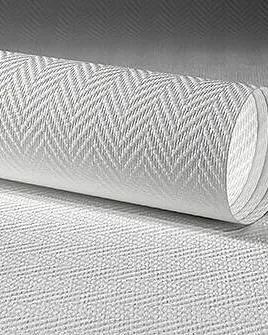
- Non-woven and glass fibre are more vapour-permeable. Paintable glass fibre also bridges fine cracks; for better indoor air there is SYSTEXX for cleaner air.
Frequently asked questions
Can I simply wallpaper over mould?
No. It keeps growing under the wallpaper and can harm your health.
How long does a wall need to dry?
It depends on the cause, plaster and room climate; measuring is safer than guessing.
Does primer help against damp?
No. It improves adhesion but does not stop moisture.
Which wallpaper for a cool exterior wall?
A vapour-permeable non-woven wallpaper or painted glass fibre, plus regular ventilation.
What about bathrooms?
There is a separate article: wallpaper in the bathroom.
Want your wall checked? Send us photos via WhatsApp +49 178 265 93 11.
Leave a Comment